The Portable Power Station 288Wh LiFePO4 Battery review centers on a compact unit for powering small electronics and selected low-wattage essentials away from a wall outlet.
Its 288Wh capacity, 600W rated output, and 8.4-pound weight make it most appealing when easy carrying matters as much as having multiple ways to connect devices.
Portable Power Station Review Summary
The quick verdict
10+ ratings
Read Amazon ReviewsPortable Power Station 288Wh
A lightweight option for campers and travelers who need modest AC power, several charging ports, and flexible ways to recharge.
- 288Wh LiFePO4 battery capacity with a 600W rated output.
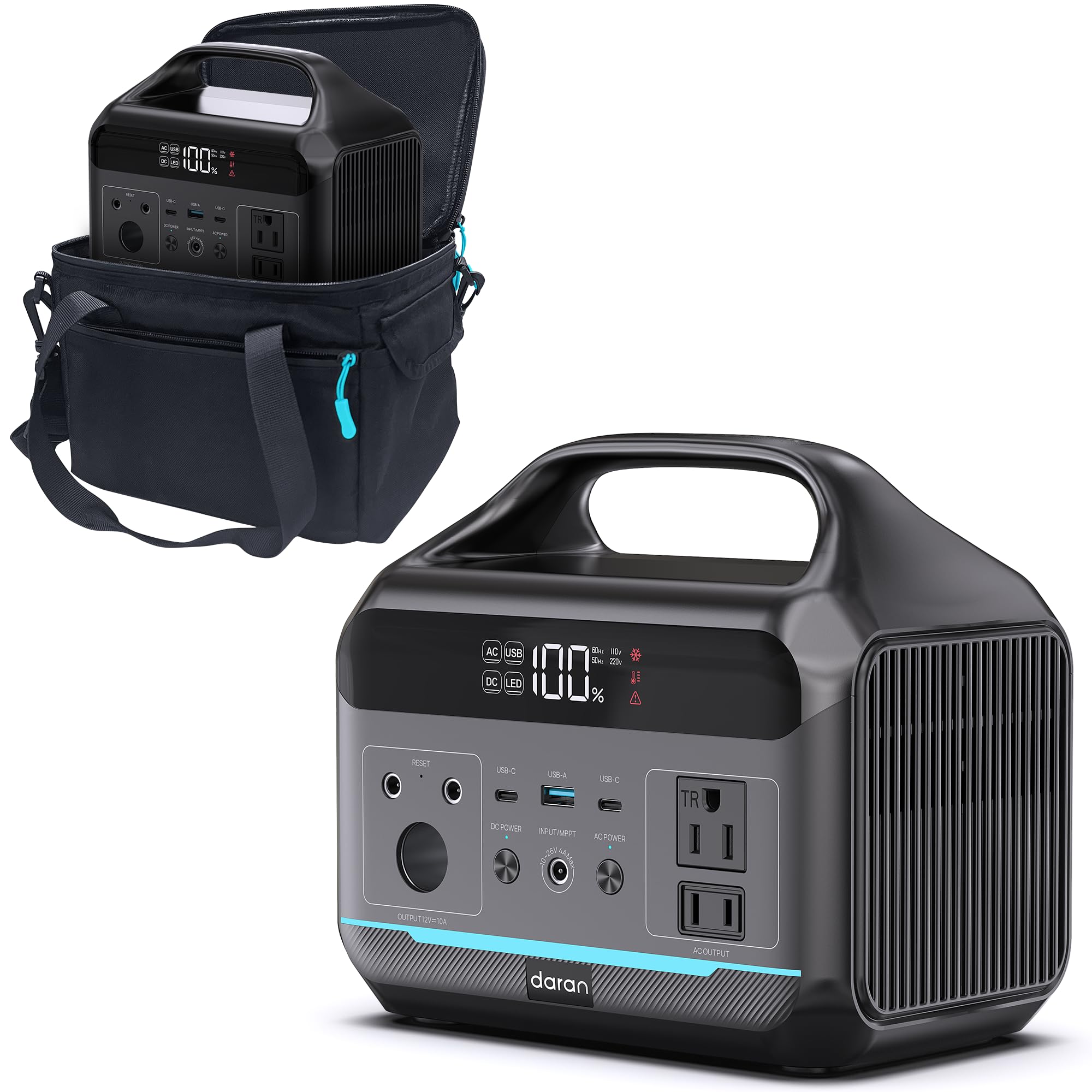
- Output options include one 18W USB-A port, two USB-C PD ports rated at 30W and 100W, a 12V/10A car port, and two 12V/10A DC5521 ports.
- Can charge up to six devices simultaneously, subject to the overall output limit.
- Recharges from AC input up to 120W, solar input up to 80W, or a car outlet. Solar panels and cables are not included.

Pros
- Relatively light and compact for carrying to a campsite, fishing spot, or vehicle.
- Mix of USB-C, USB-A, AC, car, and DC outputs supports varied electronics and 12V equipment.
Consider before buying
- The 288Wh capacity is limited for appliances that draw substantial power or need to run for long periods.
- The 600W rated output is a shared ceiling, so buyers must account for the combined demand of connected devices.
Read the full review summary
This station combines a LiFePO4 battery, AC outlet, and a varied set of USB and 12V outputs in a small frame.
It can charge up to six devices simultaneously, while its USB-C ports offer different power levels for smaller accessories and higher-demand electronics such as laptops.
The 600W total output limit is the key planning constraint: the combined load must stay within that rating.
At 288Wh, it is better suited to phones, cameras, lights, routers, and other modest loads than to extended household backup.
The maker gives examples of about eight hours for a 30W CPAP and 2.4 hours for a 100W cooker, but actual runtime will depend on the connected equipment and usage.
For portability, solar or vehicle recharging, and a mix of small devices, the design offers useful flexibility.
The buying factors
Portable Power Station Scorecard
Editorial scores reflect listed features and buyer fit; they are not laboratory measurements or customer ratings.
Carryability
At 8.4 pounds and 9.6 × 6.1 × 8.1 inches, it is designed to be manageable for camping and road trips.
Battery capacity
The 288Wh capacity can support small devices and short-duration use, but limits longer backup sessions.
Output versatility
AC, USB-A, two differently rated USB-C ports, car charging, and DC5521 outputs cover a useful range of device types.
Recharging flexibility
AC, solar, and car charging are supported, with solar input up to 80W; panels and cables are not included.
High-load suitability
The 600W rated total output suits selected modest appliances, while higher combined demand exceeds its stated limit.
Battery longevity features
LiFePO4 chemistry is paired with a stated cycle life over 3,000 cycles and an integrated battery management system.
Key Features and Specifications of Portable Power Station
- 288Wh LiFePO4 battery capacity with a 600W rated output.
- Output options include one 18W USB-A port, two USB-C PD ports rated at 30W and 100W, a 12V/10A car port, and two 12V/10A DC5521 ports.
- Can charge up to six devices simultaneously, subject to the overall output limit.
- Recharges from AC input up to 120W, solar input up to 80W, or a car outlet. Solar panels and cables are not included.
- Measures 9.6 × 6.1 × 8.1 inches and weighs 8.4 pounds, with an ergonomic handle.
- LiFePO4 battery is rated for over 3,000 life cycles; an integrated battery management system addresses overcharge, overheating, short circuit, and overcurrent protection.
Pros and Cons of Portable Power Station
Pros
- Relatively light and compact for carrying to a campsite, fishing spot, or vehicle.
- Mix of USB-C, USB-A, AC, car, and DC outputs supports varied electronics and 12V equipment.
- Three charging approaches offer flexibility at home, on the road, and in suitable solar conditions.
- LiFePO4 chemistry and a stated cycle life over 3,000 cycles support repeated use over time.
Consider before buying
- The 288Wh capacity is limited for appliances that draw substantial power or need to run for long periods.
- The 600W rated output is a shared ceiling, so buyers must account for the combined demand of connected devices.
- Solar panels and cables are not included, adding a separate compatibility and setup decision for solar recharging.
Who Should Buy Portable Power Station?
Good fit
Consider it if you want a small power station for trips where outlets are scarce and carrying a heavier battery is inconvenient.
Its range of port types can help keep phones, cameras, lights, and compatible 12V devices powered from one unit. The 100W USB-C port also gives laptop users a higher-output direct charging option than the 30W port.
It may fit as a short-duration backup for selected low-wattage essentials.
Check the wattage of each device and estimate how long you need it to run; the maker's runtime examples are useful planning references, not a guarantee for every setup.
If you expect to use solar, check that your panel and connection setup suit the station's stated solar input limit, and budget for the panel and cables separately.
Who should skip it
Look elsewhere if you need to run high-wattage appliances or keep several demanding devices operating for an extended outage. The 600W total rating and 288Wh capacity make careful load and runtime planning essential.
It may not suit buyers who want a ready-to-use solar kit in one purchase, since the panel and cables are separate. It is also worth comparing larger-capacity designs if your priority is longer appliance runtime over easy carrying.
Portable Power Station: What the 288Wh Design Means
Capacity and realistic runtime
A 288Wh battery is a compact reserve for light loads. The supplied examples—about eight hours for a 30W CPAP and 2.4 hours for a 100W cooker—illustrate how quickly runtime changes with demand.
Use the power draw of your own devices to decide whether this capacity covers a complete trip or only keeps essentials going between recharges.
Managing the output limit
The 600W rating applies to total connected power, so simultaneous use requires adding device loads together. The USB-C ports are rated at 30W and 100W, while the car port and each DC5521 port are rated at 12V/10A.
Before connecting equipment, check its input requirements and leave room under the station's overall limit.
Portability and charging choices
The 8.4-pound weight, compact dimensions, and ergonomic handle make transport a central part of the design. Recharging options include AC at up to 120W, solar at up to 80W, and a car outlet.
Because panels and cables are not included, solar users should confirm suitable equipment and connectors before relying on that method for a trip.
Battery design and repeated use
The LiFePO4 battery is rated for over 3,000 life cycles, and the integrated management system is described as covering several electrical and temperature protections.
Those features make it suited to repeated portable use, though cycle ratings do not establish runtime for a particular device or how long a charge will last in storage.
Alternatives to Portable Power Station
Expandable packing alternative
1,000+ ratings
Read Amazon ReviewsVTOMAN Jump 600X with 200W Solar Panel
Choose the reviewed station if lower carrying weight and its specified USB-C port options are the priority.
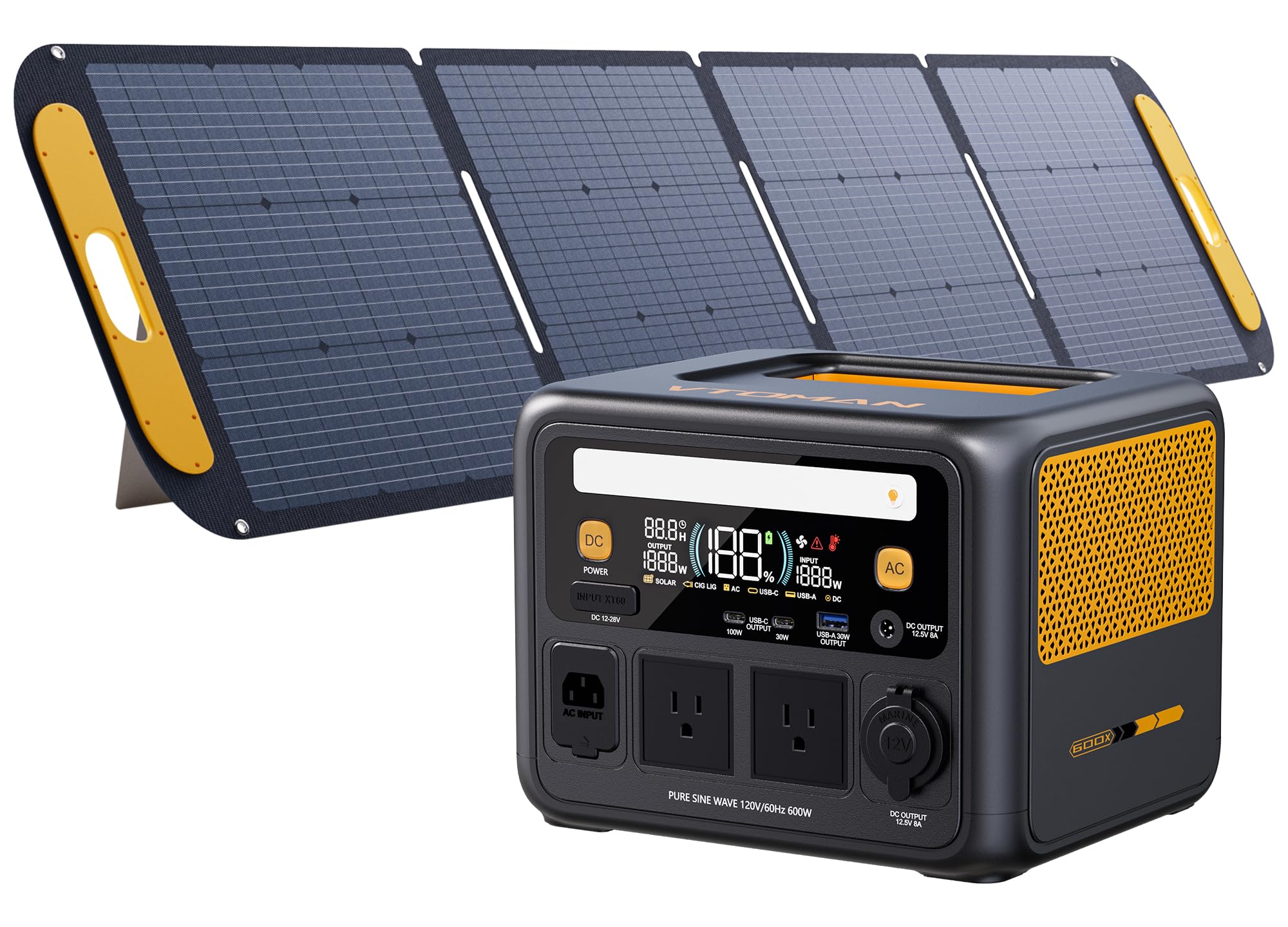
Consider the Jump 600X bundle if an included solar panel and a jump-start function are more useful, while accounting for its separate jumper cables and extra battery.
- The VTOMAN Jump 600X has 299Wh capacity and 600W rated output, and this bundle includes a 200W solar panel shipped separately.
- It also has a car jump-start port, with jumper cables sold separately, and its capacity can be expanded to 939Wh using a separate extra battery.
- The Portable Power Station 288Wh weighs 8.4 pounds and offers 288Wh capacity, 600W rated output, and solar input up to 80W, with the panel sold separately.
Outdoor Generators alternative
1,000+ ratings
Read Amazon ReviewsBLUETTI Elite 10 Mini
The reviewed station is the more suitable choice when you need more stored energy and a higher rated output.
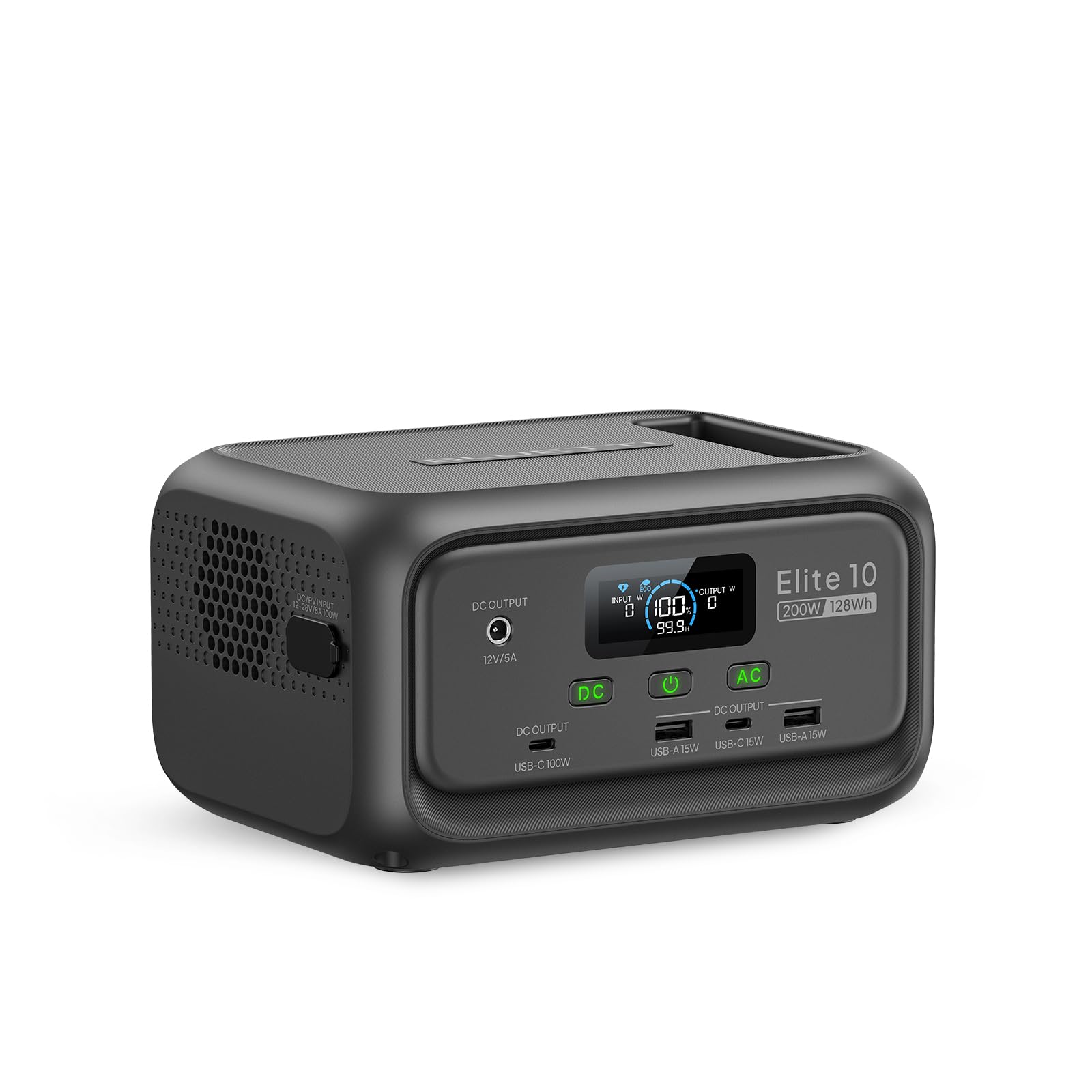
The Elite 10 Mini is a more portable alternative for buyers whose needs center on smaller electronics and who value a substantially lighter unit.
- The BLUETTI Elite 10 Mini has 128Wh capacity, 200W output, weighs about 4 pounds, and includes a 100W USB-C port, DC outputs, and a built-in LED light.
- It supports AC, solar, and car recharging.
- The Portable Power Station 288Wh offers 288Wh capacity and 600W rated output, with a mix of AC, USB, car, and DC outputs for a wider range of small devices.
Is Portable Power Station Worth It?
The Portable Power Station 288Wh is worth considering for campers, travelers, and households seeking a compact reserve for small electronics and selected low-wattage devices.
Its strongest practical points are portability, varied outputs, and AC, solar, or car recharging options.
Keep expectations aligned with the 288Wh capacity and 600W total output ceiling. Estimate your devices' wattage and runtime needs before buying, and factor in separate solar accessories if you plan to recharge off-grid.
Your review at a glance
10+ ratings
Read Amazon ReviewsPortable Power Station 288Wh
A lightweight option for campers and travelers who need modest AC power, several charging ports, and flexible ways to recharge.
- 288Wh LiFePO4 battery capacity with a 600W rated output.
- Output options include one 18W USB-A port, two USB-C PD ports rated at 30W and 100W, a 12V/10A car port, and two 12V/10A DC5521 ports.
- Can charge up to six devices simultaneously, subject to the overall output limit.
- Recharges from AC input up to 120W, solar input up to 80W, or a car outlet. Solar panels and cables are not included.